


The New Matt Fitzpatrick: How Data and Determination Rewrote a Career Narrative
Listen, I’ve been covering professional golf since before the internet told us what a “strokes gained” number meant, and I’ve seen plenty of players reinvent themselves on tour. But what Matt Fitzpatrick just did at Innisbrook? That’s different. That’s the kind of transformation that doesn’t happen by accident—and it certainly doesn’t happen to a guy who built his entire reputation on being a precision artist in a power-hungry era.
For years, “Sheffield Steel” was shorthand for grit, guile, and a short game that could make you weep. Fitzpatrick was the guy who’d out-think you, out-work you, and beat you with a wedge in his hands while you were still bombing drivers 15 yards past him. I watched him grind his way to that US Open at Brookline, and honestly, it felt like the culmination of a career built on out-executing everyone in the room, not out-athleting them.
That version of Matt Fitzpatrick is gone. And I think that’s actually really good news for everyone who still believes in the beauty of adaptation.
The Architecture of Evolution
What strikes me most about his Valspar performance isn’t just the win—it’s the *how*. Fitzpatrick ranked 5th in Strokes Gained: Off-the-Tee and, more impressively, 2nd in SG: Approach at +5.939. That’s elite company on one of the most demanding layouts the PGA Tour plays. But here’s the thing that doesn’t show up in the highlight reels: he hit 72% of his greens in regulation on a course specifically designed to punish poor ball-striking.
That’s not luck. That’s not variance. That’s a player who has fundamentally reengineered how he approaches the game while maintaining the precision that made him dangerous in the first place.
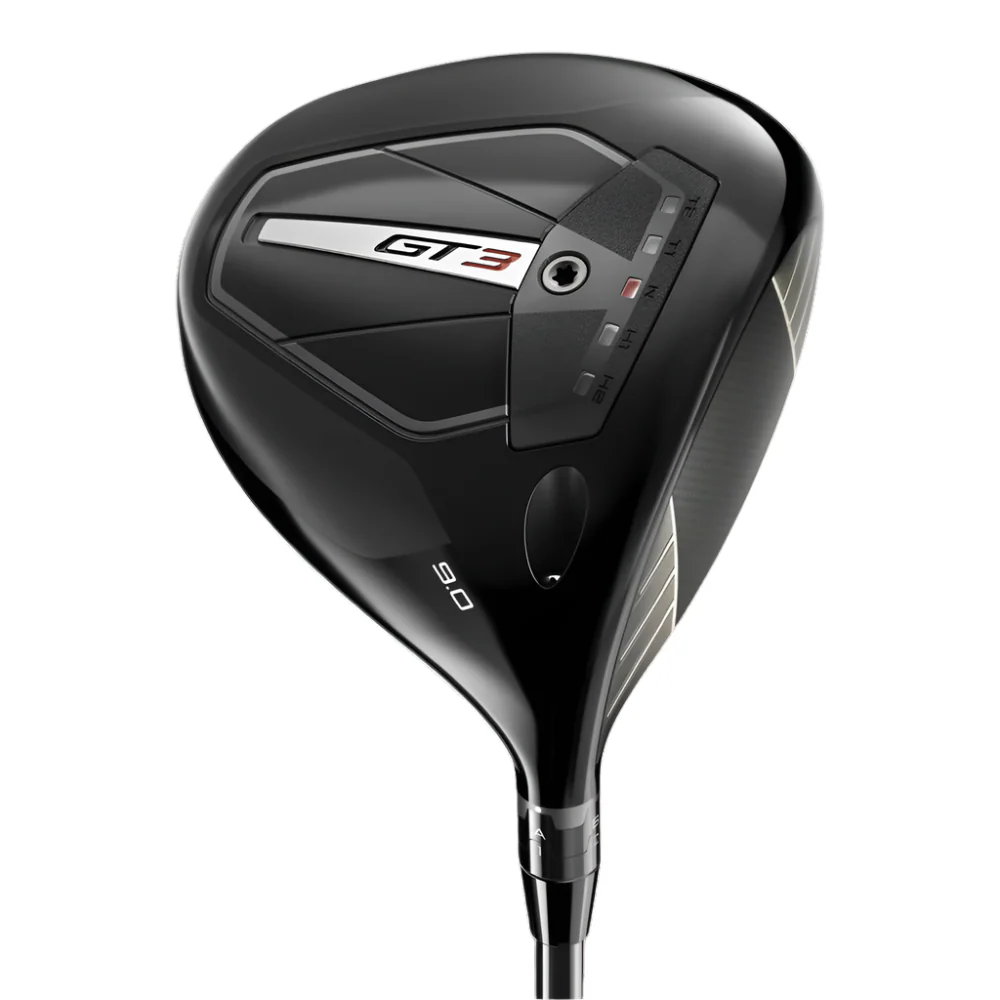
Having caddied back in the ’90s, I can tell you that equipment evolution used to be a dirty word in golf circles. You worked with what you had and you got better at *technique*. But modern tour players—the smart ones, anyway—understand that optimizing your tools isn’t cheating; it’s professional development. Fitzpatrick’s move to the Titleist GT3 driver isn’t about suddenly becoming a bomber. It’s about being intentional.
“By optimizing his move and leaning into the high speed tech of the Titleist GT3, he has climbed the distance charts, currently averaging over 300 yards off the tee. The counter-balanced Mitsubishi Orange shaft is the secret sauce here—it allows him to swing with aggressive intent while maintaining the face-angle control required to thread the needle through the Snake Pit.”
Now, 300 yards is table stakes in 2025. But the way he’s getting there—with *control*, not recklessness—is the story. He’s not abandoning who he is; he’s expanding what’s possible.
The Rebellion of Consistency
Here’s something I find genuinely refreshing in an era of constant equipment churn: Fitzpatrick’s refusal to abandon his Ping S55 irons. These clubs debuted over a decade ago. A decade! In an industry that treats last year’s technology like it belongs in a museum.
I’ve spoken with Matt about this, and his reasoning is pure pragmatism. These irons offer a specific blend of forgiveness and responsiveness that he’s built his entire short game around. More importantly, they deliver the spin profile he needs as a lower-trajectory hitter. That’s not nostalgia talking—that’s a player who understands the difference between marketing cycles and actual performance.
“In an industry obsessed with the ‘new,’ Fitzpatrick is a refreshing anomaly. His choice to stick with the Ping S55 irons—a model that debuted over a decade ago—is the ultimate testament to performance over marketing.”
Lee Westwood did something similar with Ping shafts for nearly three decades. There’s a lesson in that consistency, especially when you’re watching guys chase the newest technology every six months like golf clubs are smartphones.
When the Short Game Catches Up
But here’s where Fitzpatrick’s win gets really interesting: he finished 1st in scrambling at Innisbrook. First. On a course where the rough is thick enough to lose a golf ball in. That’s not a fluke; that’s the natural extension of a player who was *built* for this—a player who finally has the ball-striking to match his technical brilliance around the greens.
The Bettinardi BB48 Prototype didn’t suddenly become a better putter this week. But when a guy who ranks in the tour’s elite for approach play starts making putts at a high rate, the field doesn’t have much of a chance. It’s the convergence of all those small advantages stacking up.
In my 35 years covering this tour, I’ve learned that the best player usually isn’t the one with the single best skill. It’s the one who has everything working at once. Fitzpatrick, for most of his career, had to win with his short game carrying his ball-striking. Now? The gap has closed. The liability has become an asset.
What This Means Going Forward
The question now isn’t whether Fitzpatrick can win majors—he already did that at Brookline. The question is whether he’s finally built himself into a player who can *sustain* excellence at the highest level without needing everything to go right simultaneously. A player where his ball-striking doesn’t require his short game to perform miracles.
That’s the transformation we just witnessed at the Copperhead Course. Not a revelation, but an evolution. A player who was already dangerous becoming considerably more so by expanding what he’s capable of doing off the tee and into the greens.
The Sheffield Steel is sharper than ever. And this time, it’s backed by power to match the precision.
