


The GTS Gambit: Why Titleist’s New Driver Family Matters More Than You Think
After 35 years watching equipment cycles come and go on the PGA Tour, I’ve learned that when Titleist decides to go back to the drawing board with a driver family that’s barely six months old, something significant is brewing. The arrival of the GTS drivers this week at Houston, the LPGA Ford Championship, and the Korn Ferry Tour’s Club Car Championship isn’t just another product refresh. It’s a statement about the competitive pressure bearing down on equipment manufacturers—and frankly, a window into where modern golf technology is heading.
Let me be clear: this is not a failure of the GT family. The original GT drivers, which launched last August, were legitimately excellent clubs. I’ve watched guys bomb them off the tee all season. But here’s what I think is really happening here—Titleist is responding to something deeper than normal market dynamics.
The Speed Race Never Stops
The tagline Titleist used on social media tells you everything you need to know: “Finally, a driver faster than GT.” That’s not subtle marketing. That’s a company essentially saying, “We heard the feedback, and we’re doubling down on what matters most to tour players: ball speed.”
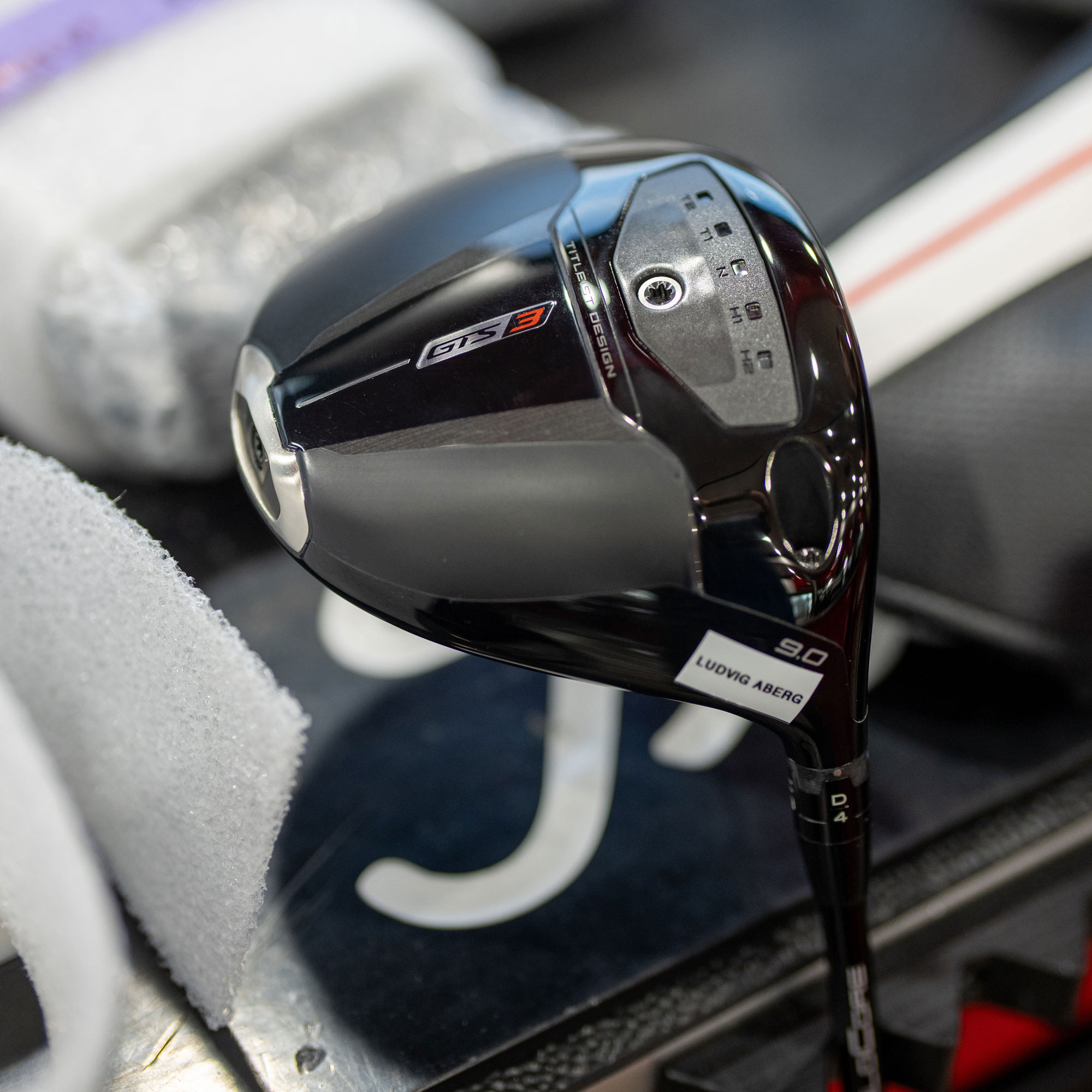
In my three decades covering the tour, I’ve never seen equipment innovation move quite this fast. We’re talking about meaningful performance upgrades arriving less than two years after the previous generation. The GTS lineup—comprising three models (GTS2, GTS3, and GTS4)—maintains the same naming convention as the GT family, but the technical changes are noteworthy.
That silver weight on the back of the clubhead isn’t just aesthetic window dressing. It’s there to increase Moment of Inertia (MOI), which translates to better forgiveness on off-center hits. In my caddie days working for Tom Lehman in the ’90s, we’d have killed for this kind of technology. Now, it’s table stakes.
The Shot-Shape Advantage
What strikes me most about the GTS3 and GTS4 models is the weight track system that appears to mirror the GT3 and GT4 designs. This isn’t random carryover—it’s intentional. The GTS3 maintains adjustability for shot-shape bias, while the GTS4 positions itself as the speed demon of the family, lower-spinning and built for maximum distance.
Having watched hundreds of tour players dial in equipment over the years, I can tell you that this kind of shot-shape control is becoming increasingly important. It’s not enough to just hit it far anymore; you need to shape it left or right depending on course conditions and personal preference. Titleist understands this intimately.
Look at who’s getting first access: Ludvig Åberg, one of the most promising young talents on tour. After his disappointing finish at the Players Championship—where he squandered a three-shot lead in the final round—he’ll be looking for every competitive edge he can find. The fact that Titleist is putting this club in the hands of rising stars speaks volumes about their confidence level.
The Brand Ambassador Vote of Confidence
Michael Brennan’s quote after testing the prototype says more than it might initially appear:
“I’m pumped. I was disappointed I couldn’t play it, put it right in the bag. I love my GT, but I’m looking forward to the ‘S’ coming out here soon.”
That’s genuine enthusiasm, not scripted corporate-speak. Brennan genuinely loves his current GT driver, yet he’s genuinely excited about the upgrade. I’ve been around enough tour testing sessions to know when guys are being diplomatic versus when they’re actually impressed. This sounds like the latter.
What I find particularly interesting is the decision to roll out the GTS across multiple tours simultaneously. The Texas Children’s Houston Open on the PGA Tour, the LPGA Ford Championship, and the Korn Ferry Tour’s Club Car Championship all getting access this week is a coordinated effort that suggests Titleist wants real-world feedback from different competitive levels. That’s smart business and smart product development.
The Bigger Picture
Here’s what concerns me slightly, and I’ll be balanced about this: equipment cycles are accelerating to a point where casual golfers might feel perpetually behind the eight ball. If tour players are cycling through driver generations every 18 months or so, what does that mean for the recreational player who bought a GT3 last fall? That’s a legitimate question.
That said, I’m not overly negative about it. This is how the market works. Tour equipment pushes the boundaries of what’s possible, and innovations eventually trickle down to club golfers. The fact that Titleist is investing this heavily in R&D benefits everyone who loves the game, eventually.
The mystery around what the ‘S’ in GTS stands for is admittedly fun. Speed? Superior? Something else entirely? We’ll find out soon enough, but I’d wager it relates to the speed claim they’re making. That seems to be what matters most in the current equipment landscape.
Full technical details won’t arrive until May, when these clubs officially launch with what Titleist hints could include new fairway woods as well. Until then, we’ll be watching closely to see which tour players embrace the GTS and how quickly they make the switch from GT.
After three-and-a-half decades of watching these cycles, I can tell you this much: when Titleist moves this decisively, the rest of the industry takes notice. The GTS drivers are coming, and they’re coming with serious speed credentials attached.
