

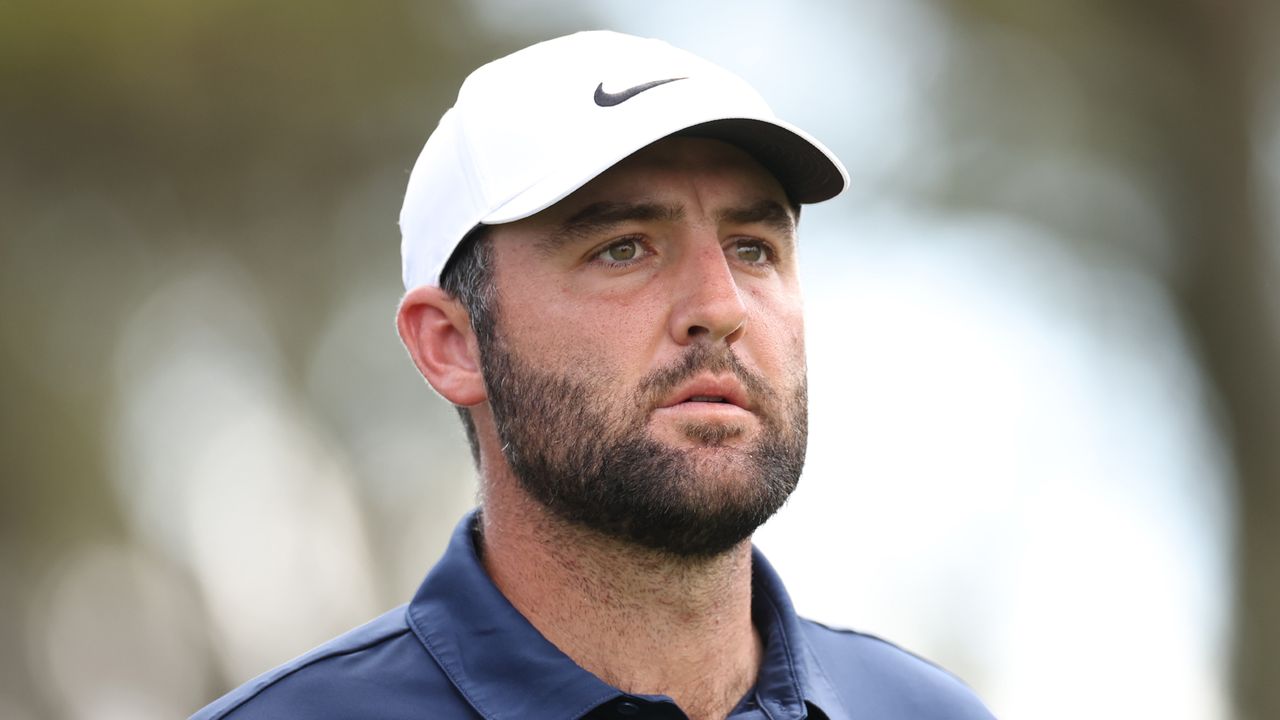

Scheffler’s Houston Exit: Why the World No. 1 Made the Right Call
Look, I’ve been around professional golf long enough to know that the best decisions aren’t always the most obvious ones. When Scottie Scheffler withdrew from this week’s Texas Children’s Houston Open due to family reasons—specifically, he and his wife Meredith are expecting their second child very soon—my first thought wasn’t disappointment. It was respect.
In my 35 years covering this tour, I’ve watched enough players sacrifice important moments for the grind of competition. I’ve also watched what happens when they do. The math here is actually pretty simple, and it speaks to something I think gets lost in modern professional sports: timing matters, and sometimes stepping away is the toughest competitive decision you can make.
The Context Behind the Withdrawal
Scottie Scheffler was the betting favorite for the Houston Open at Memorial Park, a course where he’s finished runner-up three times in the past four years. On paper, walking away from a PGA Tour event you’re favored to win—especially in your adopted home state—looks like leaving money on the table. But here’s what I think casual observers are missing: Scheffler’s preparation for this event has been, well, imperfect.
“His most recent start was at The Players where he failed to overcome a relatively disappointing first round and ended up finishing T22nd at TPC Sawgrass.”
That’s not the World No. 1 we’ve grown accustomed to seeing. Before that,
“his 18 consecutive top-10 finishes came to a halt via a T12th at the Genesis Invitational before a T24th result at the Arnold Palmer Invitational.”
I’m not suggesting Scottie’s fallen off a cliff—his last top-10 was a T4 at Pebble Beach in mid-February, and he won the American Express and went T3 at Phoenix earlier this season. But there’s clearly been some rust accumulating.
What strikes me about this withdrawal is that Scottie recognized something: he needs to be fully present for one of life’s biggest moments, and trying to squeeze in a tournament when your second child is imminent would’ve been a distraction at best and, frankly, irresponsible at worst.
A Veteran’s Perspective on Tour Priorities
Having caddied for Tom Lehman back in my early days on the tour, I saw firsthand how the mental side of this game works. You can’t be thinking about what’s happening at home when you’re standing over a four-footer on the back nine. The energy required to compete at the highest level—especially in a tour event where the field is deep and talented—demands absolute focus. Trying to maintain that focus while your wife is about to deliver your second child? That’s not grit. That’s just not smart.
The tour has gotten considerably better about accommodating life circumstances in recent years, and I think that deserves recognition. The days of mandatory appearances regardless of personal circumstances are fading, thankfully. Scottie taking himself out of the Houston Open isn’t a sign of weakness or lack of commitment. It’s evidence of maturity and perspective.
The Bigger Picture: Scheffler’s Masters Preparation
Here’s the thing that really interests me from a competitive standpoint:
“Scheffler will pursue a third Green Jacket off the back of a mildly turbulent preparation period”
and now he’s getting a two-week break before Augusta.
In my experience covering 15 Masters tournaments, I’ve seen championship-caliber players use breaks strategically. Sometimes backing off the gas pedal allows for mental and physical reset that actually improves performance when it matters most. Scottie will have time to be present for his family’s big moment, then refocus on Augusta knowing he’s got his priorities straight.
That’s not nothing. Some of the best performances I’ve witnessed came after players took similar breaks. There’s something about honoring the non-golf part of your life that can actually sharpen your competitive edge.
Field Implications and the Domino Effect
Scheffler’s withdrawal triggered a mini-cascade of adjustments. Matt Kuchar stepped into the field, Chris Gotterup becomes the highest-ranked player at World No. 10, and ultimately the field expanded to 135 players with six total withdrawals. We’re also seeing Brooks Koepka added to the mix along with several international players like Jesper Svensson and Danny Willett.
For a mid-season PGA Tour event, this kind of volatility is fairly normal. Tournaments have become more fluid with scheduling, injuries, and personal circumstances. What I appreciate is that the tour has enough depth now that these adjustments don’t compromise competitive integrity. The 135-player field is still going to produce compelling golf this week.
The Human Element Still Matters
I think what resonates most about Scheffler’s decision is that it reminds us what this tour ultimately is: a collection of human beings trying to excel at something while managing the rest of their lives. The narrative around professional golf often fixates on streaks, majors, and rankings—and deservedly so. But the foundation of all that competition is actually pretty simple: showing up, being focused, and caring about your craft.
Scottie Scheffler showing up for his family right now is an extension of that same commitment to excellence. And two weeks from now, I expect we’ll see a World No. 1 arriving at Augusta with his head straight and his priorities properly ordered. That’s when the real story picks up again.
