


Pebble Beach’s Perfect Storm: When Talent Meets Timing (And the Weather)
I’ve covered 15 Masters Tournaments and sat in the bag for Tom Lehman during some pretty spectacular rounds, but I’ll tell you what still gets me after 35 years on the tour beat: watching a young player find something special and having the confidence to ride it all the way. That’s exactly what Akshay Bhatia is doing this week at Pebble Beach, and it’s worth paying attention to—not just because he’s leading, but because of what his play is telling us about where the game is headed.
Let’s start with the obvious: Bhatia is playing lights out. A bogey-free 129 through 36 holes at Pebble Beach and Spyglass Hill would stop traffic in any era, but here’s what really caught my eye.
“His iron play has led the way, as is often the case for those that succeed on the small greens at Pebble Beach. He’s third in strokes gained on approach through the first two rounds.”
That’s the kind of fundamental excellence that wins majors. In my experience, when you see a young player dominating the approach shot category at Pebble—a course that absolutely punishes imprecision—you’re looking at someone who understands the most critical shot in golf. And when he’s perfect from 100 yards and in? That’s not luck. That’s a player who knows exactly what he’s doing.
The scoreboard tells only half the story, though. What strikes me most about Bhatia’s position is how he arrived here. Just two weeks ago, he was missing cuts. Two weeks before that, he was talking about needing to find something, anything, to build on. Then came that T3 in Phoenix last week, and suddenly the pieces clicked. In my three decades covering professional golf, I’ve learned that these inflection points matter enormously. Confidence at this level is currency, and Bhatia just made a major deposit.
The Hisatsune Phenomenon
I can’t write about the leaderboard without acknowledging Ryo Hisatsune’s trajectory over the past three weeks. A T2 at Torrey Pines. A T10 at Scottsdale. Now leading at Pebble Beach. That’s not a hot streak—that’s a player arriving.
“The putter has been leading the way this week, and he seems extremely comfortable on poa greens that can give some players fits.”
Here’s the thing about poa: it’s temperamental. It moves differently depending on moisture, time of day, even the direction you’re looking at it. The fact that Hisatsune isn’t just comfortable but excelling on these greens tells me he’s done his homework. He’s studied the surfaces. He understands the nuance. That’s maturity.
What I find encouraging about both Bhatia and Hisatsune sharing the lead is that neither is a surprise name. These aren’t one-dimensional players who got lucky with the wind. Both have proven ball-striking credentials. Both have demonstrated they can handle pressure situations. The narrative around young international players and whether they can “really” compete at the highest level keeps getting rewritten—and guys like Hisatsune are holding the pen.
The Rickie Factor and What It Means
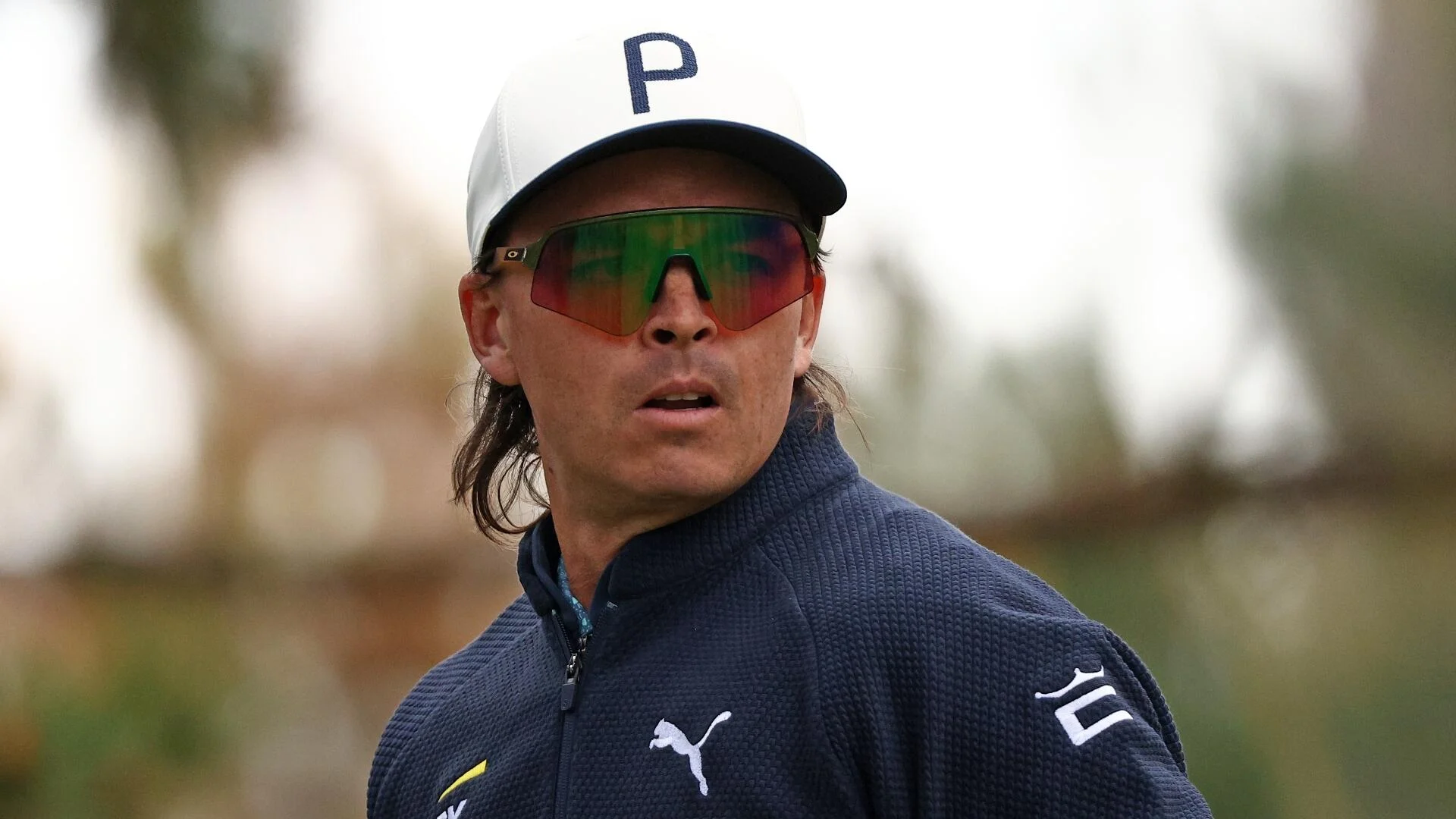
Now, let me talk about something that genuinely interests me more than the leaderboard: Rickie Fowler’s resurgence. At 37, coming off shoulder injuries that sidelined much of 2025, Fowler is matching the best player in the field from an iron play perspective.
“My shoulder was bad all last year so I was just trying to manage and get through as best that I could. I definitely earned the time off with sneaking inside that top-50, so that was a nice bonus.”
That’s the voice of a seasoned competitor who understands the long game. Fowler didn’t panic. He managed. He stayed in position. Now, with proper recovery time, he’s entered 2026 refreshed. Having caddied through the ’90s and early 2000s, I remember this version of professional golf—players treating their bodies like the instruments they are, understanding that sometimes stepping back is stepping forward. It’s a lesson some younger guys haven’t fully internalized yet.
The Weather Wildcard
Here’s where this tournament gets truly interesting: the forecast. Winds of 17-21 mph starting Saturday afternoon, continuing through Sunday, with rain added to the mix. For Bhatia and Hisatsune at 15-under, this is simultaneously an opportunity and a threat. They’ve already banked strokes in ideal conditions. The question isn’t whether they can maintain that scoring pace—they can’t. The question is whether they can hold serve while the chasers potentially come back.
Fowler and Sam Burns at 14-under are perfectly positioned to take advantage of this shift. Fowler especially—his iron play should age better than putting-dependent golf in difficult conditions. Even Scottie Scheffler, nine shots back, becomes a name worth monitoring if the wind gets as gnarly as predicted. Elite players handle adversity differently. They adapt faster. They think clearer under pressure.
The Broader Picture
What this leaderboard represents—and what makes it worth more than casual observation—is the democratization of elite golf. You’ve got international stars, veteran Americans finding second winds, young players hitting their stride, established names trying to prove they’re not fading. That’s genuinely healthy for the sport.
The 2026 AT&T Pebble Beach Pro-Am odds have Bhatia at +340 as the favorite, but I’m genuinely intrigued by Fowler at 11/2 and Straka lurking at 14-1. When the wind rises and nerves tighten, ball-striking becomes theology. Those are the guys I’d want in my group when things get difficult.
Bhatia’s got the lead, but he hasn’t won anything yet. That’s the beautiful and terrifying part of this game—everything changes when conditions change, and everything changes when Sunday arrives.
