


As I strolled the verdant fairways earlier this week, the crisp morning air carrying the scent of dew-kissed bentgrass, I found myself contemplating the delicate balance between man and nature, a dance so exquisitely choreographed on the finest golf courses. We chase distance, we crave forgiveness, and the manufacturers oblige, crafting clubs that defy the limits of engineering. Yet, no matter how advanced the implement in our hands, the enduring challenge remains: conquering the ground before us. It’s this timeless struggle that truly defines the game, a struggle I relish in exploring across the globe, one meticulously designed course at a time.
My recent travels have taken me from the windswept links of the British Isles to the strategic masterpieces of the American heartland, always seeking that architectural “a-ha!” moment. While I usually dedicate my ink to the grand canvases of golf course design, this particular visit to the annual PGA Merchandise Show – a whirlwind of innovation and promises – has me pondering another facet of the game’s evolution: the tools we wield. Because even the most brilliantly conceived course can be made more (or less) enjoyable by the equipment in our bag.
It’s no secret that the “big stick” often grabs the headlines, but as any seasoned player knows, the real scoring happens with the clubs we rely on for those crucial middle and long approaches. And for 2026, the hybrids and fairway woods are not just catching up to their driver brethren; they’re carving out their own legacy of technological marvel. The manufacturers are pulling out all the stops, channeling ingenuity into these oft-underestimated marvels of material science and computational design.
“One of the first things to determine when you’re looking at new hybrids is what your preferred head shape is. Do you play your hybrids more like an iron, with a descending blow that generally takes a divot? Or are you more of a “picker” or “sweeper”?”
This simple question, posed by Callaway when introducing their new Quantum Max hybrids, cuts to the core of what makes these clubs so personal. It speaks to the ongoing design philosophy that great golf architecture also embodies: understanding the player. Just as a Pete Dye course might challenge the mentally sharp strategist differently than an Alister MacKenzie masterpiece engages the artist, so too do club designs cater to distinct swing types. The Quantum Max, with its more compact head, feels like a seamless extension of an iron set – perfect for those who like to attack the ball. It’s a clean visual at address, less intimidating than a miniaturized fairway wood.
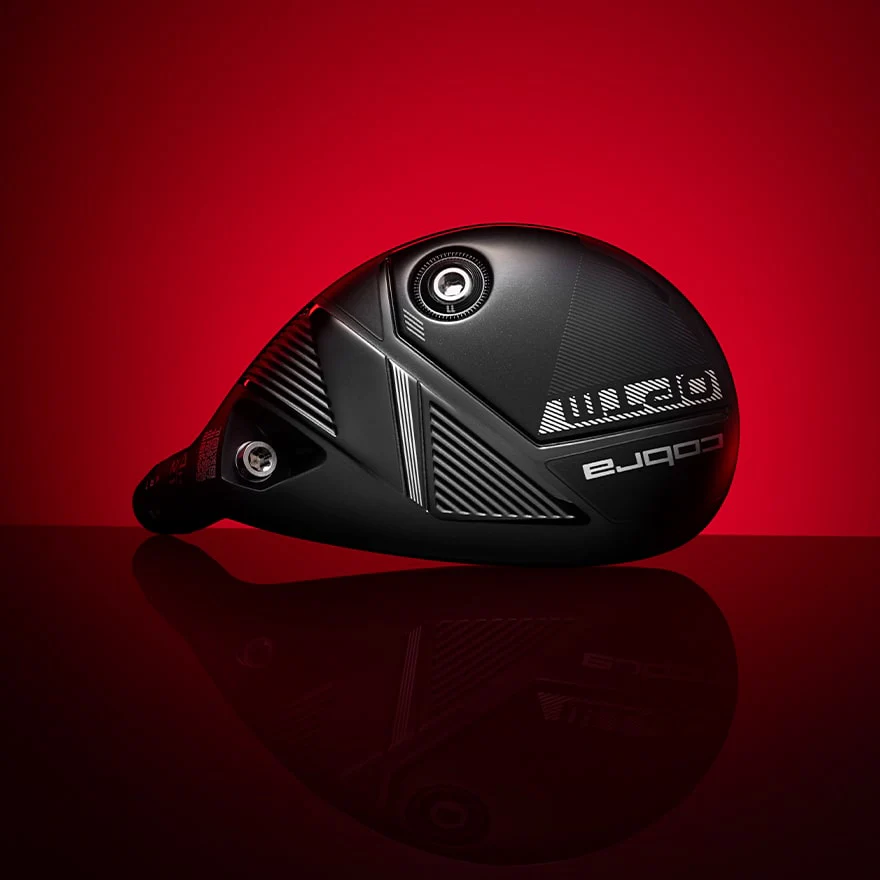
Then there’s the Cobra OPTM, a hybrid that exemplifies the modern era’s obsession with precision and limitless adjustability. I’m a fan of a club that allows a player to truly fine-tune their arsenal, much like a course architect subtly guides play with the placement of a bunker or the contour of a green. Cobra’s “FutureFit33 hosel” offering an astounding 33 independent loft and lie settings? That’s dedication to player optimization, ensuring that the instrument is as perfectly tailored as the golfer’s swing. This reminds me of the meticulous detail a Tom Doak might put into the subtle rumples of a fairway, recognizing that every player will approach it differently.

My own game, and my appreciation for smart design, leads me to value consistency above all else. This is where the engineering behind many of these new hybrids, like the Mizuno JPX ONE, truly shines. Their focus on maintaining ball speeds across a wider impact area—what they call a “uniform 1.8 mm MAS1C maraging steel face” and an “enhanced CORTECH Chamber”—ensures that those slightly off-center strikes still find their way to a respectable position. It’s the club equivalent of a well-designed green complex that allows for a variety of recovery shots, mitigating the penalty of a less-than-perfect approach.
Fairway woods, too, are enjoying this renaissance. As the article rightly points out, the advancements in driver technology are directly translating to these longer clubs. The goal remains largely the same: to reduce spin, increase launch, and maximize forgiveness without sacrificing distance. I’ve always admired courses that demand a thoughtful ground game, but on those longer holes, a reliable fairway wood is your best friend when faced with a sprawling Pete Dye par 5 or a long carry over a hazard. These new offerings from Callaway, Mizuno, PING, PXG, Srixon, TaylorMade, and Wilson promise to make those carries a little less daunting.
“All that tech doesn’t come cheap. But it does deliver. Today’s fairway woods feature more customization through adjustability and loft choices, lower centers of gravity coupled with higher MOI, and enhanced face designs that produce higher ball speeds from more sections of the clubface.”
This pithy summary captures the essence of the 2026 offerings. The investment in these clubs is an investment in optimizing your game, much like choosing to play a course known for its strategic depth rather than just its aesthetics. PING’s G440 SFT fairway wood, for instance, with its “Straight Flight Technology” and draw-biased center of gravity, is a godsend for those struggling with that pervasive banana-ball slice. It’s like having a well-placed bunker on the right side of the fairway, subtly encouraging a left-to-right shot shape and punishing the errant slice by guiding the ball back into play.

The journey through these new clubs has been an illuminating one, showcasing how closely club design mirrors course architecture in its pursuit of engaging the golfer. Both disciplines strive to optimize performance, enhance enjoyment, and, at their core, make the game more compelling. So, whether you’re navigating the strategic challenges of a classic links course or simply aiming to hit that crucial second shot on a sprawling par 5, remember that the right tools, thoughtfully chosen, can make all the difference. This year’s offerings in hybrids and fairway woods are not merely incremental upgrades; they are finely tuned instruments, ready to help you unlock a new level of confidence and control on the course.
